

TALURIT

Talurit was established in 1948. The company is built around a patented solution for mechanical splicing of steel wire rope with ferrules. The company has pioneered this particular field and has been developing efficient methods and equipment for mechanical splicing ever since. The company owns trademarks such as TALURIT, ULTRAGRIP, KONIT, HEXLOC and TALUGRIP in most countries around the world. Other well-known brands are TALUKON and T-Loc. The company is located in Gothenburg and has subsidiaries around the world. Talurit is represented in most industrialized countries. The company's mission is to achieve better and higher safety in mechanical splicing of steel wire rope. This is done through high standards of efficiency, safety, reliability and quality.
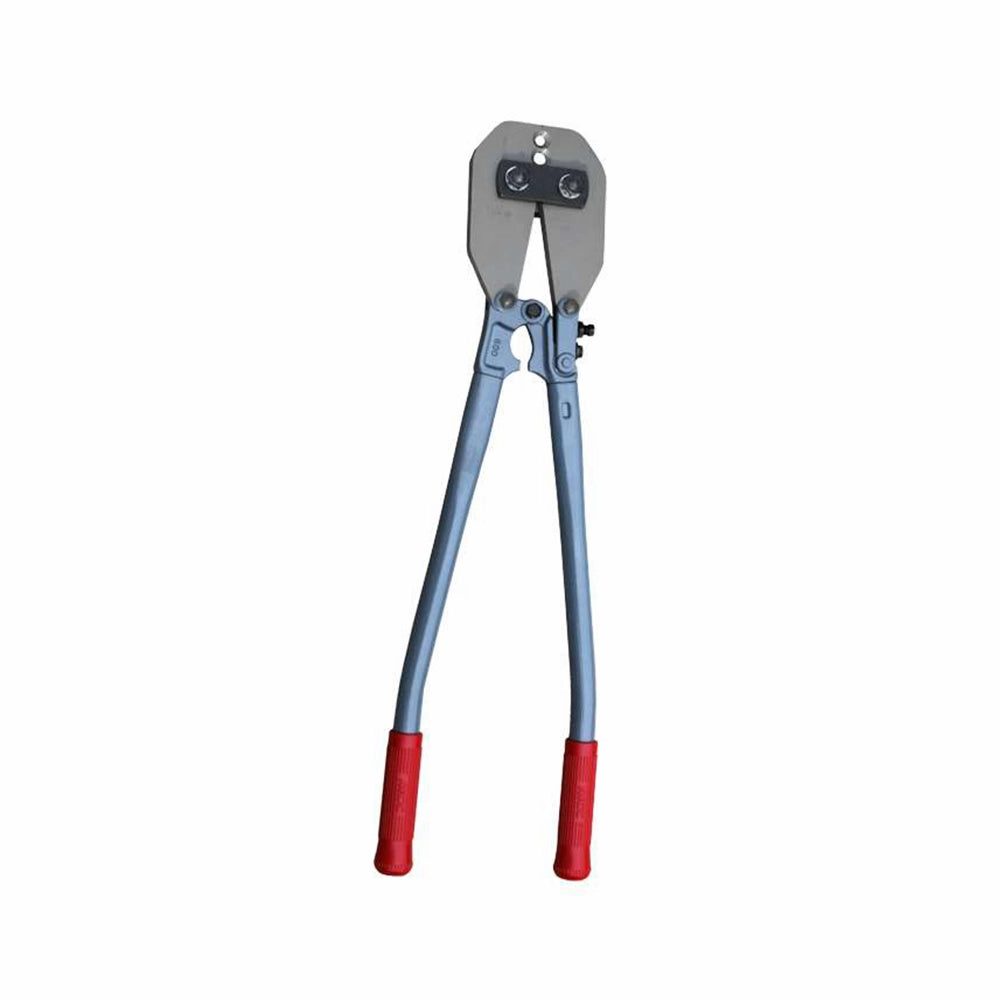
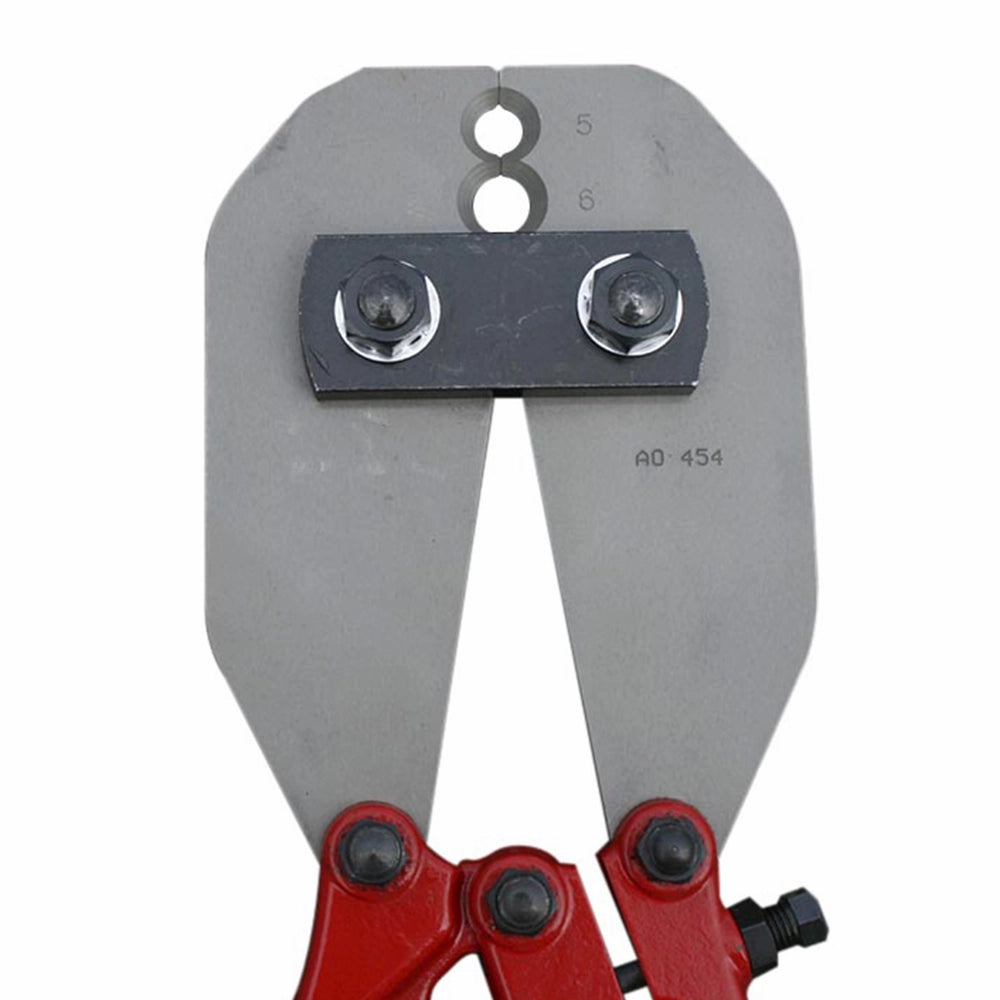
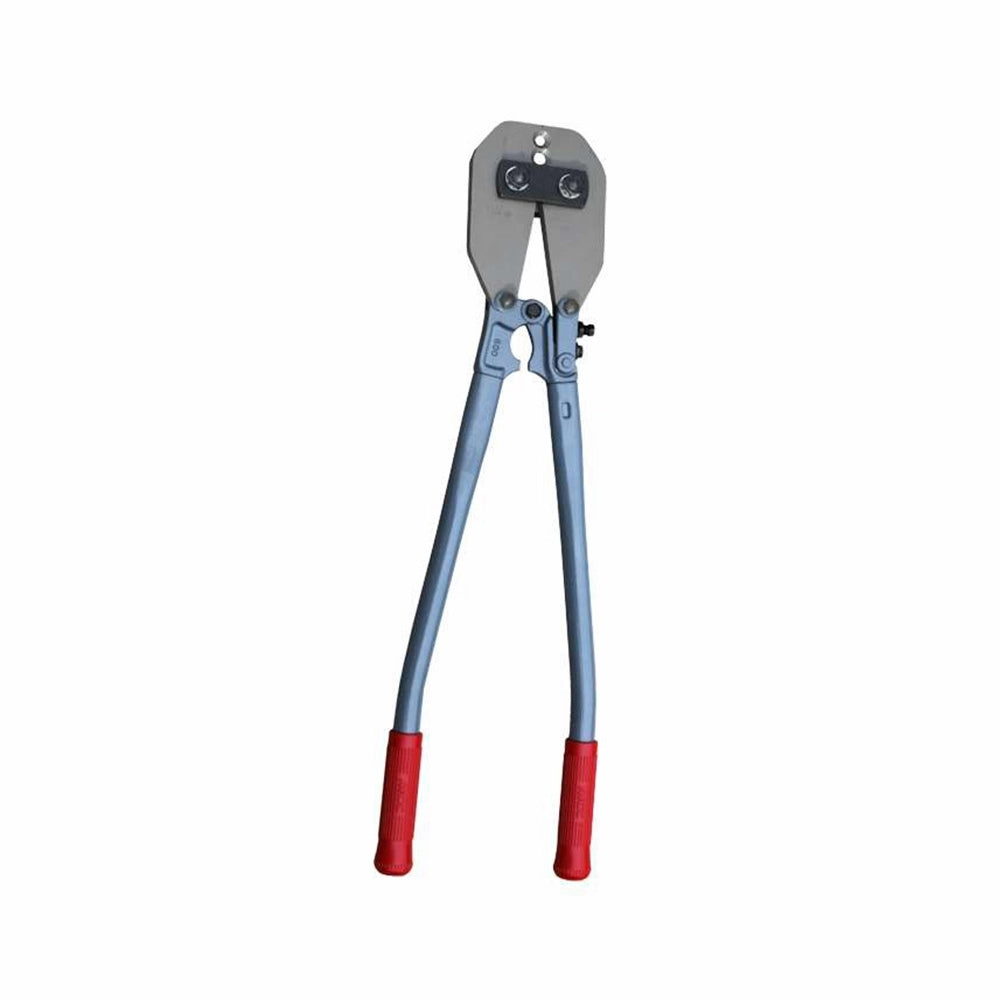
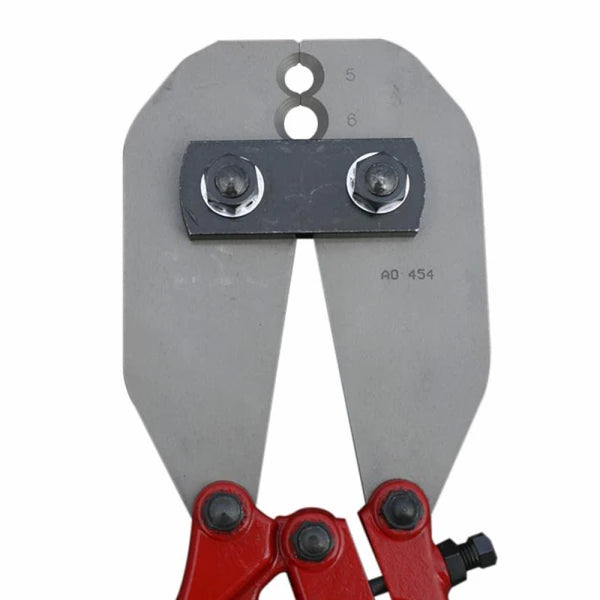
Talurit – Original locks for mechanical splicing of steel wire
What is a Talurit crimp?
A Talurit crimp (also known as mechanical splicing) is a method of joining or forming an eye on a steel wire using a metal sleeve (often made of aluminum or copper) that is crimped around the wire under extremely high pressure. When the sleeve is pressed, the metal flows into the wire’s cavity, creating a permanent, solid joint that typically retains 90–100% of the wire’s original breaking strength.
The Talurit system is the globally recognized standard for manufacturing wire slings for lifting, as it guarantees a consistent, safe, and verifiable joint every time.
Talurit vs. Wire Locks – Which Should I Choose?
The choice between a Talurit crimp and standard wire locks depends on the task:
• Talurit crimp: Must always be used when the wire is to be used for lifting tasks (manufacture of wire slings). It provides a permanent, certified connection that cannot come loose and has no sharp edges that could damage the load or the operator.
•Wire locks: Primarily used for temporary connections, guy wires, railings, or pulling tasks where it is necessary to adjust the wire’s length or disassemble the connection again. As a general rule, wire locks must not be used for lifting.
Which should I choose?
When you need to join a steel wire or form an eye at the end, the choice is typically between a Talurit crimp and standard wire clamps (also known as wire strap clamps or U-bolts). Both methods have their merits, but they are designed for vastly different purposes, and it is crucial to choose the right solution to ensure both strength and safety.
A Talurit crimp is a permanent, mechanical splice in which an aluminum or copper sleeve is pressed around the wire under extremely high pressure in a hydraulic press. The metal flows into the wire’s cavity, creating a solid, unbreakable joint that retains 90–100% of the wire’s original breaking strength. The result is a smooth, compact joint with no sharp edges that cannot loosen due to vibrations or slip under load.
This is precisely why Talurit crimping is the only approved method for manufacturing wire slings intended for lifting operations in accordance with European standards. When you see a wire sling with an eye at each end, it is almost always a Talurit crimp that holds it all together. Wire locks, on the other hand, are a mechanical assembly where two or more U-shaped clamps are tightened around the wire with nuts. It is a quick and flexible solution that allows you to adjust the length of the wire or disassemble the assembly again as needed.
Wire locks are suitable for temporary connections, guy wires, railings, safety nets, and tensioning tasks where a permanent, certified connection is not required. However, it is important to emphasize that wire locks should generally not be used for lifting tasks, as the strength of the connection is significantly lower than the wire’s breaking strength, and because proper installation requires precise tensioning and regular retightening. As a rule of thumb, the choice is simple: If the wire is to be used for lifting, Talurit crimping is the only right choice. If the wire is to be used for pulling, guying, or other non-lifting-related tasks where flexibility and the ability to adjust are more important than maximum strength, wire locks are a practical and cost-effective solution. If you are unsure which method is right for your application, you are always welcome to contact us at 70 15 20 15—we are happy to help you find the safe and correct solution.
